NERC Environmental Omics Facility: www.neof.org.uk
NEOF is a partnership between world-leading labs at the Universities of Liverpool and Sheffield who have pooled resources and expertise to deliver state-of-the-art omics expertise, capability and training to UK environmental scientists.
Darwin Biological: www.darwinbiological.co.uk/
We supply algae and protozoa cultures to schools and colleges within the UK in partnership with Darwin Biological for use in teaching and practical classes. See our Darwin Biological page for more information.





Our History
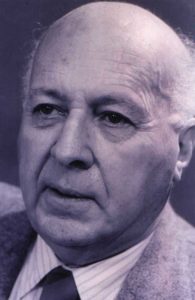 The foundations of the Culture Collection of Algae and Protozoa (CCAP) were laid by Professor Ernst Georg Pringsheim, who isolated a number of cultures at the Botanical Institute of the German University of Prague in the 1920s before moving to England where the collection was expanded. In 1970 these cultures formed the basis of the Culture Centre of Algae and Protozoa at Cambridge, financed by the Natural Environment Research Council (NERC). During 1986 the cultures and their associated activities were transferred to the Institute of Freshwater Ecology (IFE) Windermere Laboratory at Ambleside [freshwater algae and all protozoa] and Dunstaffnage Marine Laboratory (DML) at Oban [marine algae]. These moves represented a relocation of the Centre to the two Institutes both with long-standing and continuing research activities in phycology, protozoology and other aspects of aquatic science. As the collection was now held at two locations rather than a single centre, it was renamed the Culture Collection of Algae and Protozoa, retaining the acronym CCAP.
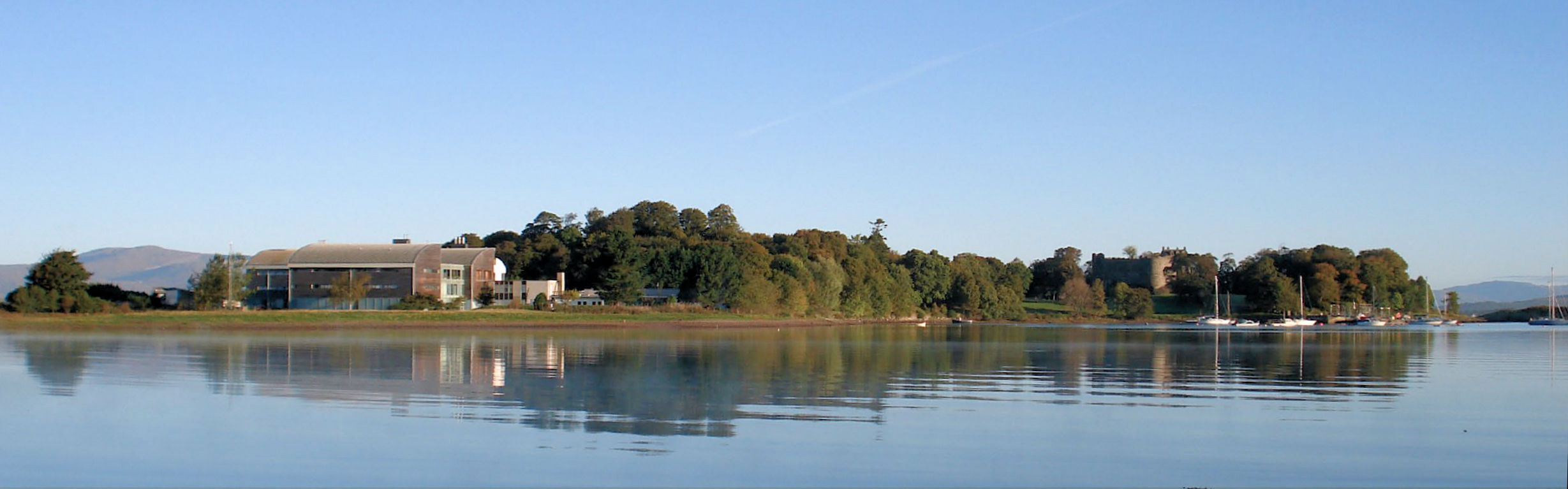
In early 2004 the freshwater section of CCAP relocated to Scotland to join the marine section at the new Scottish Association for Marine Science (SAMS) laboratory near Oban on the west coast. CCAP, united once again as a single collection, occupies a custom-designed facility within the European Centre for Marine Biotechnology at SAMS.
CCAP still receives its major funding from the Natural Environment Research Council, part of UK Research and Innovation.
The Collection functions as the national service collection of algae and protozoa in the UK and is linked with other service collections worldwide via the World Federation for Culture Collections (WFCC). There is liaison between collections within Europe via the European Culture Collections’ Organization (ECCO) and nationally via the United Kingdom Biological Resource Centre Network (UKBRCN).